



processo laminatoio a freddo per acciaio
In the ever-evolving landscape of material engineering, cold-rolled steel strips have emerged as a fundamental component across countless industries. These strips, known for their superior surface finish and dimensional accuracy, play a critical role in applications ranging from automotive manufacturing to household appliances. Cold rolling refers to the process of strengthening steel by changing its shape without the application of heat. The steel is passed through a series of rollers at temperatures below its recrystallization point. This meticulous process enhances the yield strength and hardness of the steel, making it an ideal candidate for precision-dependent uses. This article delves into the unique attributes and applications of cold-rolled steel strips, offering insights drawn from both expert knowledge and user experience. In terms of expertise, cold-rolled steel strips are lauded for their precision. The cold rolling process allows for exacting control over the dimensions and quality of the steel, resulting in a product that is not only stronger but also consistent in its properties. This dimensionally accurate phenomenon ensures that there is minimal deviation in thickness, making these strips an exceptional choice for industries where tolerance levels are critical. The smooth finish acquired from cold rolling also enhances the material's aesthetic appeal and cleanliness, which is particularly advantageous in the production of consumer goods such as stainless kitchen appliances and high-end electronics. Experience from industry professionals further highlights the versatility of cold-rolled steel strips. These materials are more easily formed and manipulated than their hot-rolled counterparts. This workability translates to cost efficiency in fabrication processes, such as stamping, drawing, and rolling, reducing the heavy labor costs associated with more challenging materials. The combination of easy formability with high strength makes them indispensable in the fabrication of car bodies, where performance and safety are non-negotiable. Authoritativeness in recommendations for cold-rolled steel strips stems from the backing of prominent regulatory and standardizing bodies, which have consistently underscored their reliability and performance. Standards set by bodies such as ASTM International and ISO guarantee that manufacturers adhere to rigorous testing and quality control processes, thereby ensuring the highest levels of product integrity. Cold rolled steel strips From a trustworthiness perspective, the traceability of cold-rolled steel strips is an essential factor. Modern manufacturing and tracking technologies enable clients to verify the origins and quality certifications of their steel products. This traceability builds trust not only in the physical integrity of the product but also in the ethical practices of the suppliers. Investors and businesses appreciate that their supply chains are transparent and compliant with international standards, reducing risks associated with material failure or ethical scrutiny. Moreover, cold-rolled steel strips' environmental impact is noteworthy . The process of cold rolling itself is more energy-efficient compared to hot rolling, given the absence of the energy-intensive reheating step. Consequently, choosing cold-rolled steel can contribute to lower carbon footprints for industries aiming to promote sustainability. Cold-rolled steel strips are more than a mere commodity; they are a strategic asset for manufacturers prioritizing quality, precision, and environmental responsibility. Industry insiders recognize that partnering with reliable manufacturers provides a competitive edge, as the technical expertise and genuine relationship bolster long-term successes and innovation capabilities within various sectors. In conclusion, cold-rolled steel strips represent the pinnacle of steel manufacturing excellence, marked by unparalleled precision, strength, and environmental efficiency. The integration of these materials into diverse applications demonstrates not only their widespread trust and authority in the manufacturing realm but also their critical role in shaping technologies and products of the future. As industries continue to push the boundaries of what is possible, cold-rolled steel stands ready as a foundational element in the journey towards innovation and excellence.

We have successfully executed over 500
projects around the world,
many first-of-their-kind
research projects and products in China, including
We have successfully executed over 500
projects around the world,
many first-of-their-kind
research projects and products in China, including
-
2004
The 1st hydraulic AGC system for hot rolling of ribbon steel
-
2006
The 1st AFC system used for 1450mm skin pass mill
-
2009
The 1st 5-stand tandem line with 2-stand POR & Uncoiler for 650mm ribbon steel
-
2012
The 1st reversing mill for 1380mm strip
-
2016
The 1st soft-rolling system used in skin pass mill
-
2019
The 1st fully automated medium-width tandem cold rolling mill
-
2021
The 1st 5000KN Twin-stand double skin pass mill
-
2022
The 1st coupled pickling line & tandem cold mill with two modes - big roller & small roller
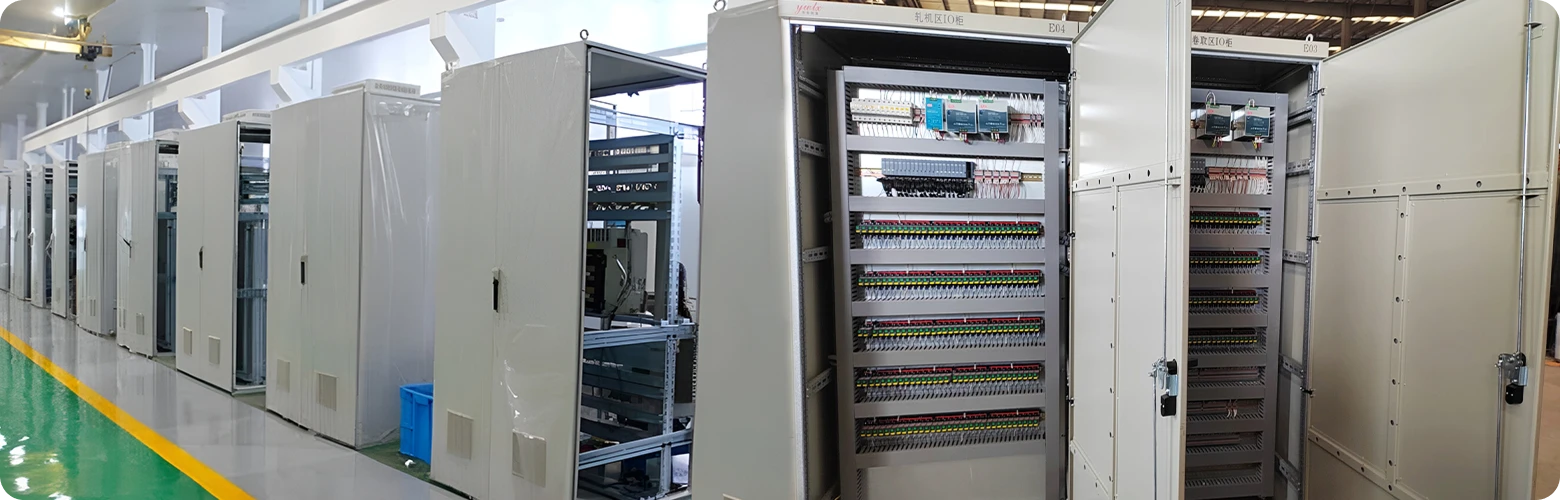
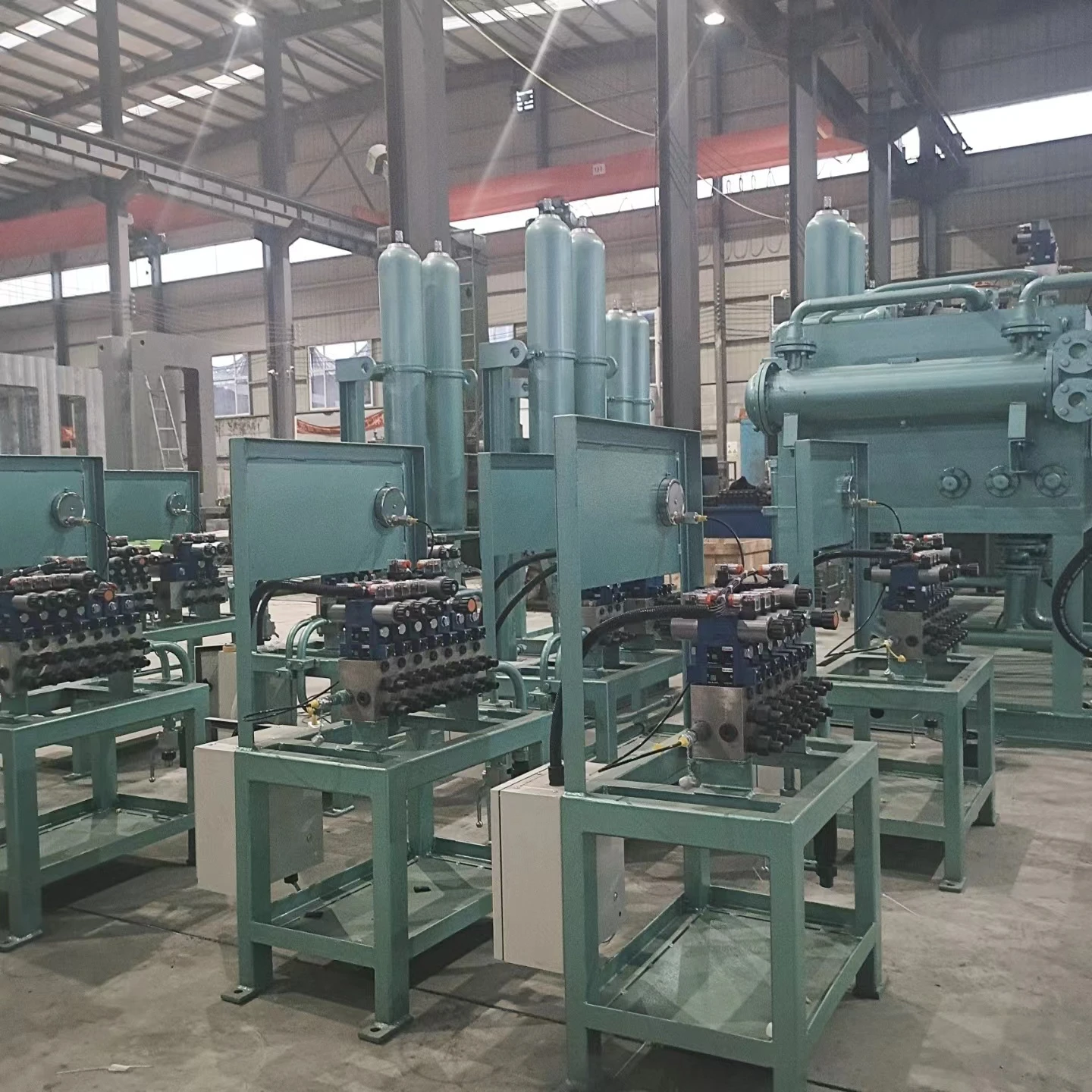
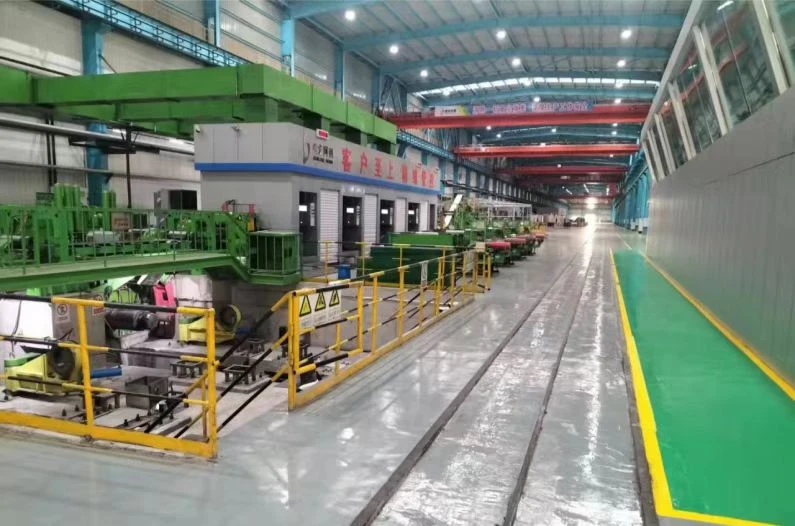
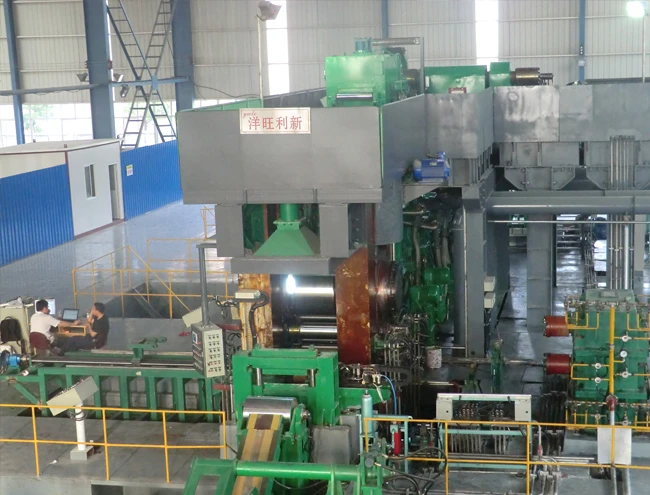
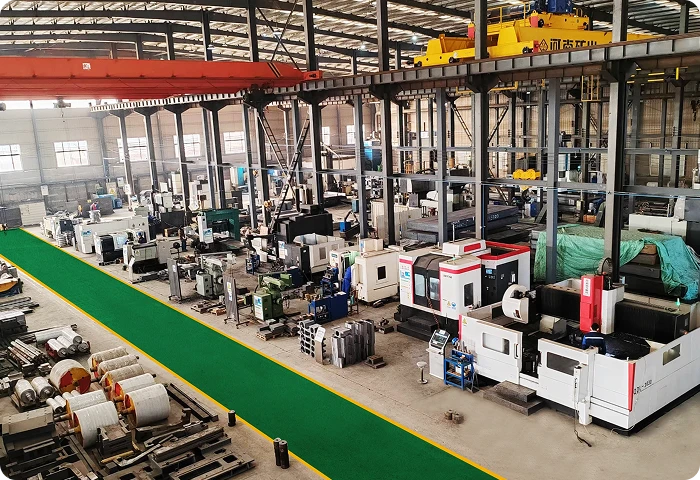
Yang Wang Li Xin operates a state-of-the-art facility over 66,000 square meters,and our manufacturing facility is fully equipped with high-tech machinery and high-capacity cranes. This enables us to handle large work pieces measuring 4.5m in width, 10m in length, and 1.5m in height, guaranteeing our capacity to produce 1800mm skin-pass mills and 1450mm rolling mills. The individual piece can weigh up to 100 tons.

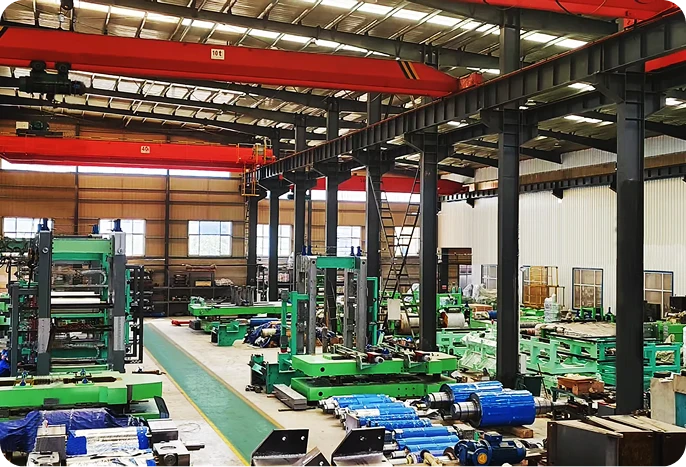

Quality is fundamental to the enterprise survival. We have established a comprehensive and meticulous quality management system and have successfully obtained ISO14000 certification. Starting from the design source, it supervises the entire production cycle, including design, procurement, processing, assembly, in-factory testing, installation, and online commissioning. The workshop is equipped with measuring tools like vernier calipers, spectrometers, hardness testers, and ultrasonic flaw detectors. They are used to check materials and control tolerances to ensure the final equipment meets or exceeds requirements. All products have a unique code, This enables the easy identification and traceability of the equipment components and ensures full control of quality.


-
 Optimization of Elongation Rate in Skin Pass ProcessThe skin pass mill represents the final and most critical stage in producing high-quality flat-rolled steel products, where precise control of elongation rate determines the material's final mechanical properties and surface characteristics. In modern steel processing, the skin pass operation serves multiple essential functions - from improving surface finish to controlling mechanical properties a
 -
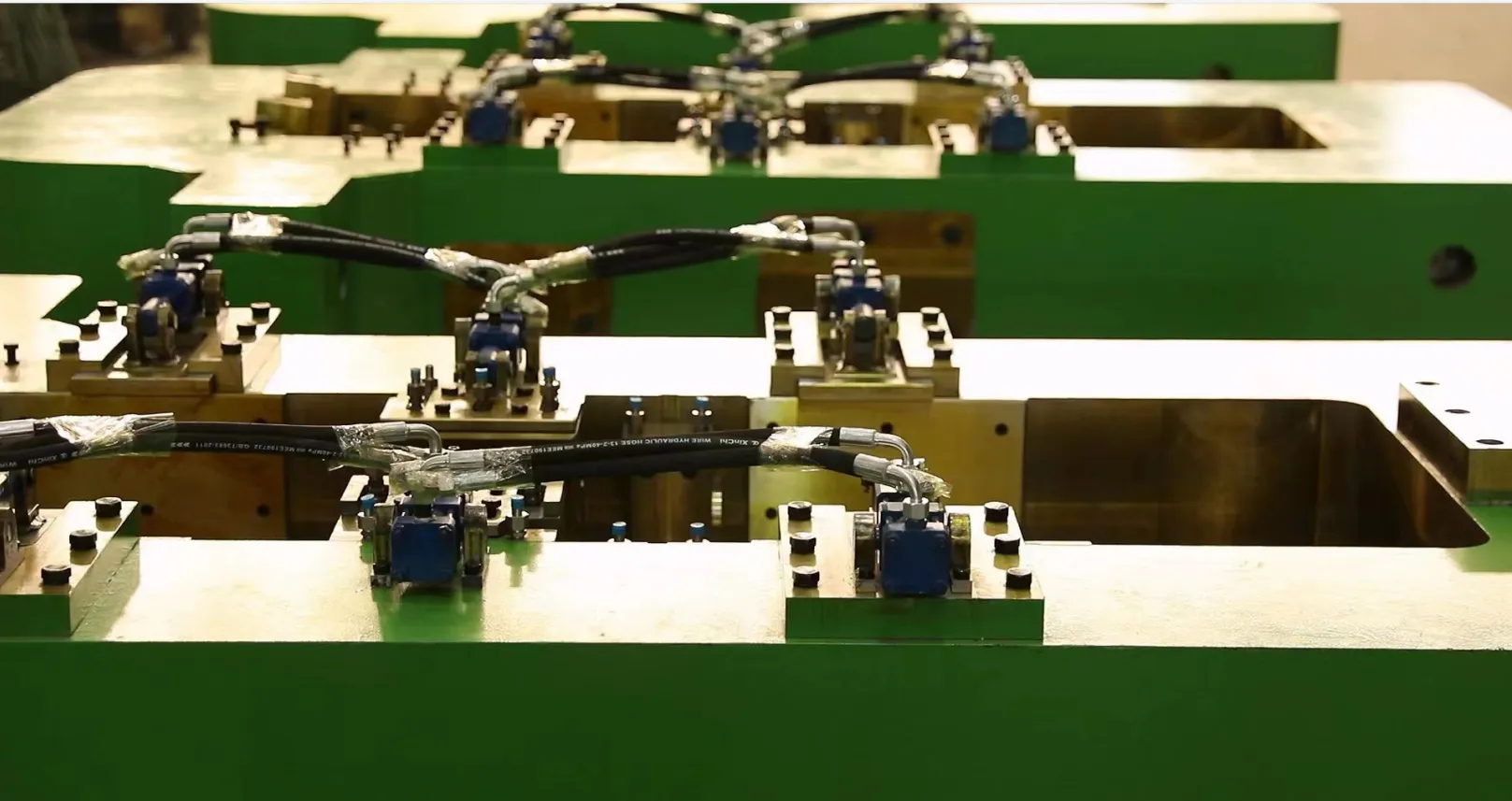 Revolutionize Metal Manufacturing with Cladding Rolling MillsIn the world of advanced metal manufacturing, cladding rolling mill s and innovative processes like weld overlay cladding and strip cladding welding process are transforming the industry. These technologies enable the production of high-performance materials with enhanced properties, such as corrosion resistance, durability, and strength. In this article, we’ll explore the cladding process , the r
 -
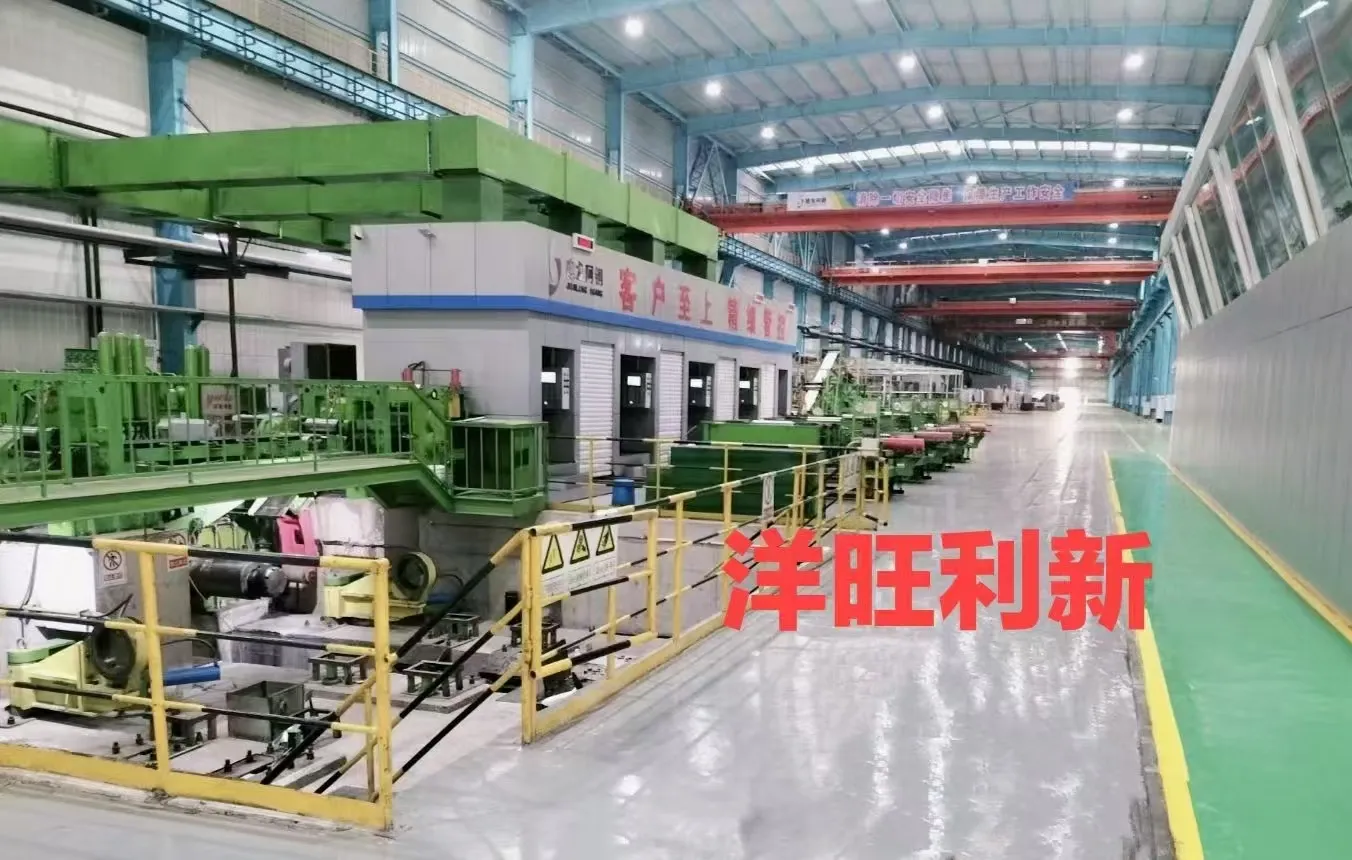 Cladding Rolling Mill – Advanced Technology for High-Quality Metal CladdingA cladding rolling mill is a highly specialized machine designed for producing composite metal sheets by bonding multiple layers of different metals. This innovative process enhances strength, corrosion resistance, and overall performance, making it essential for industrial applications where durability and reliability are critical. The Cladding Process – Achieving Superior Metal Bonding The cladd


